
Upcoming speaker
WAWTech 2026
Warsaw, Poland · EXPO XXI
CV / Embedded Engineer / AI Engineering
Blue Bird Tech
See the speakers →R&D Computer Vision Engineer · Defence · Wrocław

I build detectors that have to work on the battlefield: tiny object detection (TOD) on edge. I start from physics, not from a model zoo: calculate what the camera, the flight geometry and the on-board computer can deliver, plan the architecture from those numbers, then prove it on real flight footage and on the real device.
$ whoami
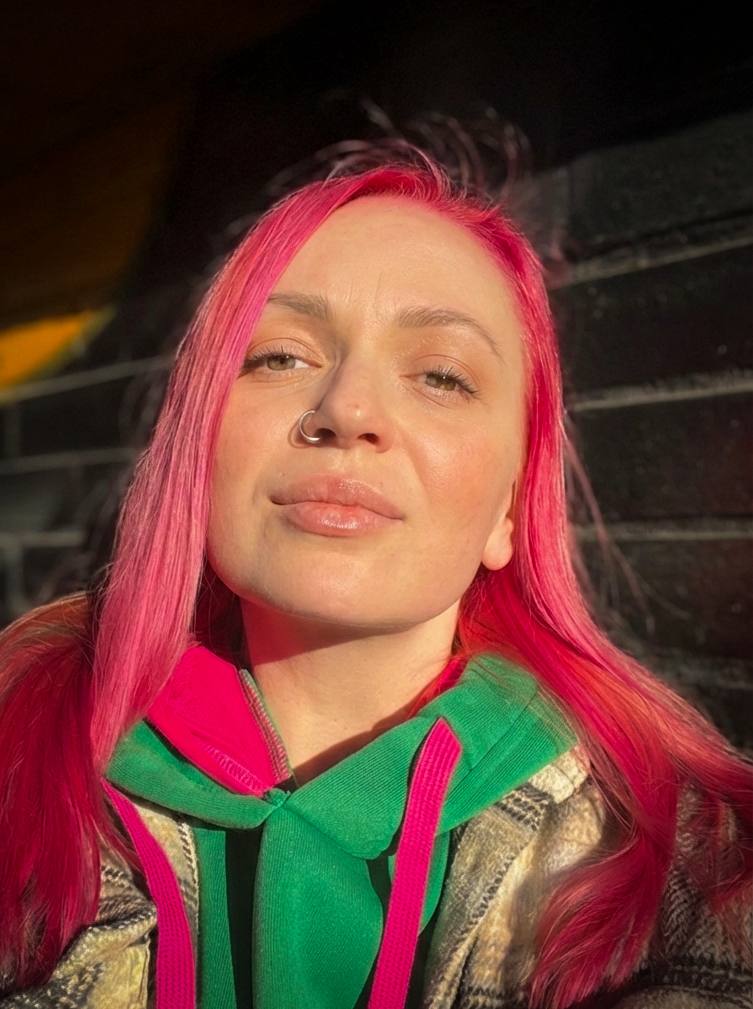
Daria Chuprina. R&D computer vision engineer in defence. I specialise in models that have to work on the battlefield: tiny object detection (TOD) on edge.
I start from physics and hardware rather than from a model zoo. First I calculate what the camera, the flight geometry and the on-board computer can actually deliver. Then I plan the architecture from those numbers and prove it on real flight footage and on the real device.
How I pick an architecture: from a budget, not from a leaderboard. The optics come first: ground sample distance and pixels on target from the lens projection and distortion model, slant range and camera attitude, read against the Johnson criteria for detection, recognition and identification. Geometry adds the horizon on a spherical Earth with refraction. Platform motion and exposure time set the motion blur budget. The on-board computer sets the compute budget: latency per frame, operations per frame and what survives quantisation.
Only then does the network get chosen. Object size against the stride of the feature grid decides between a box detector and a pixel-level mask. Object size against patch size rules transformers in or out. What a single frame cannot give goes to the tracker. The result is judged by recall and false positives per frame by object size, over several seeds, with bootstrap confidence intervals. Camera people call the first half range performance modelling. Machine learning calls the second half hardware-aware design.
Before defence: AI agents, MCP servers and RAG for clients, and a solo product selected for the Web Summit Alpha programme.
What I won't work on: gambling · crypto speculation · weight-loss marketing · mass surveillance
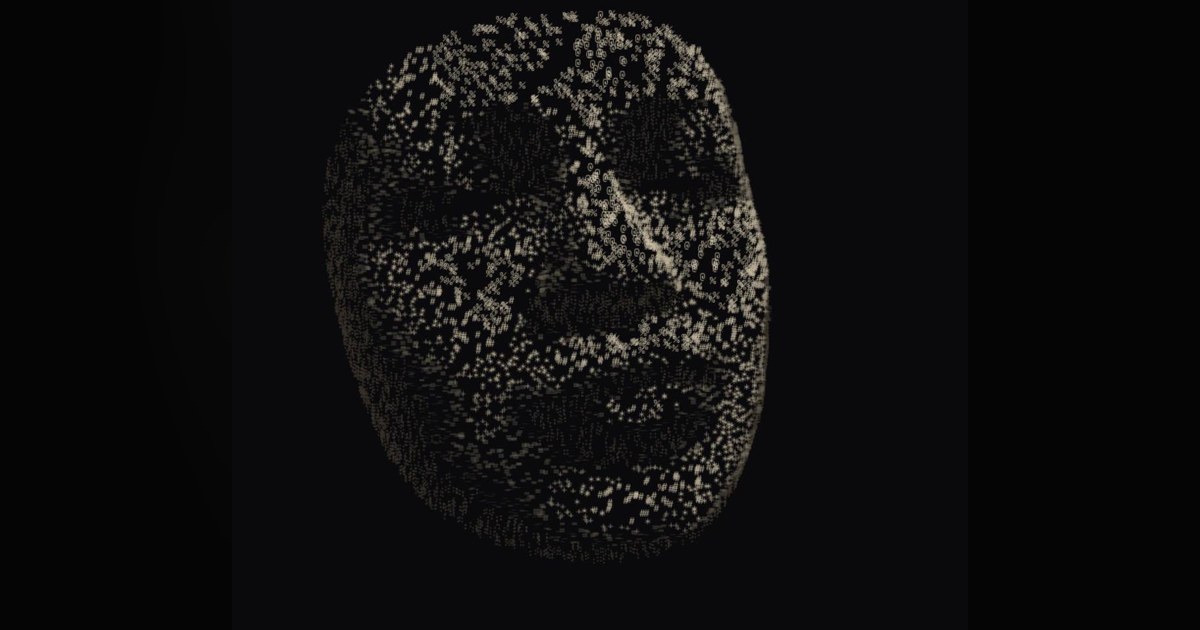
Face-tracking toy that turns your head into a lump of something and tells you what it means
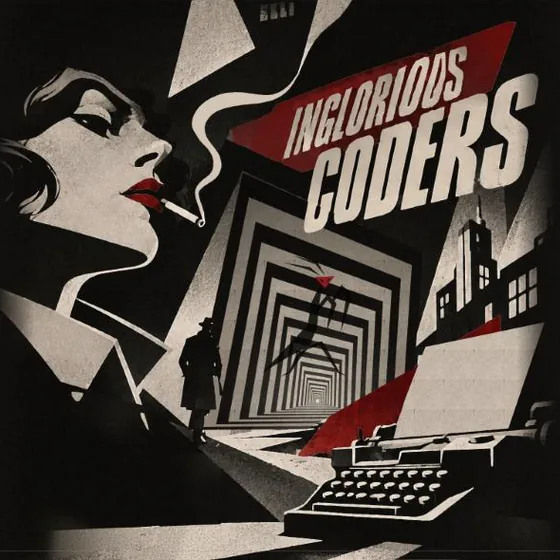
Home of the Colonel of the SSH and Daria: 3D desktop characters that give your Claude Code or Codex a body, a face and a voice
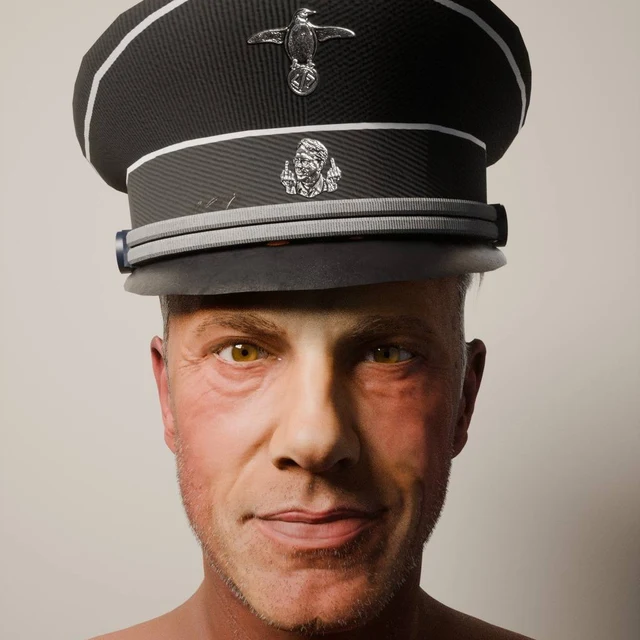
A 3D desktop companion that gives your Claude Code or Codex CLI a face, a voice and a temper
iOS app featuring 120+ Ukrainian pagan holidays based on Valery Voitovych's ethnographic research
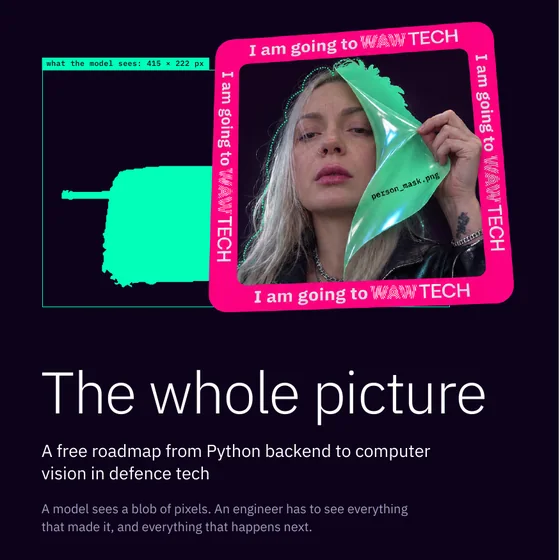
A free, practical PDF on what you need to know to get into computer vision for defence: 142 free resources and six home projects
Pixels on target, range and exposure budgets, the compute budget of the on-board computer. The numbers come first, the model comes after.
Objects of a few pixels, where a box detector has less than one grid cell per object. Pixel-level masks instead of one more YOLO run.
The detector acquires, the tracker holds the object as it shrinks. Numpy-only, with a camera-motion filter built on phase correlation.
ONNX, quantisation, on-device runtime. Latency and fps measured on the edge device, not on the slide.
Blender (Cycles) renders sized by the camera calculation, leakage-safe datasets, three seeds per recipe and confidence intervals. Negative results get written down too.
Custom MCP servers, agent tooling, RAG with eval loops. Shipped and on GitHub. Go read the code.
Warsaw, Poland · EXPO XXI
CV / Embedded Engineer / AI Engineering
Blue Bird Tech
See the speakers →Got a project that needs a computer vision engineer? Or just want to talk shop? Book a call or message me.